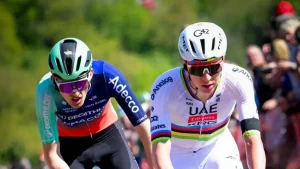







Nairo Quintana y Daniel Felipe Martínez no la pasaron bien en el prólogo del Tour de Romandía y cedieron terreno: así quedaron en la general
 TMadmin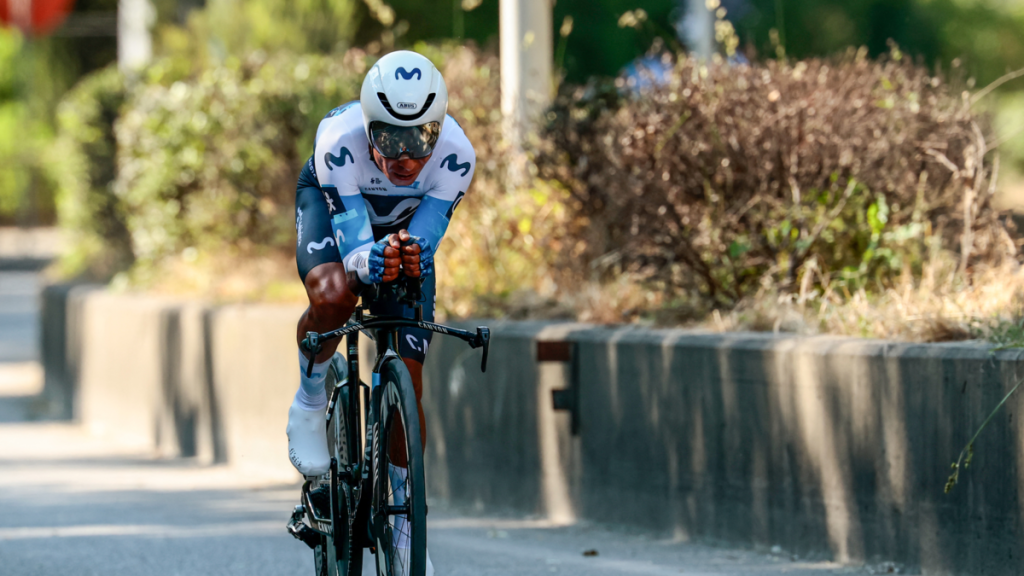
Dorian Godon’s victory in the stage comes as a masterclass in tactical patience and breakaway management, as the French rider capitalized on a fragmented peloton in the final 30 kilometers to launch a solo effort that neither Tadej Pogacar’s UAE Team Emirates nor the other general classification contenders could reel in, with Pogacar opting for a more conservative approach to preserve energy for upcoming high-mountain stages rather than risking a chase that would have drained his physical reserves unnecessarily. Nairo Quintana’s performance as the highest-placed Colombian in the stage reflects his trademark tactical intelligence, positioning himself in the leading group early to avoid the crosswinds that split the peloton earlier in the day, and maintaining a steady wattage output that allowed him to stay with the frontrunners without overexerting ahead of the race’s decisive segments. For the cycling community in the Meta and the broader Llano region, this result resonates deeply with the grassroots culture of the sport in the area, where young riders train daily on the flat, wind-swept roads of the plains to develop the endurance and tactical awareness needed to compete at the highest level, emulating the disciplined racing style that Quintana displayed throughout the stage.
The physical demands of the stage highlight the physiological edge required to compete at the World Tour level, with Godon sustaining an average power output of over 400 watts during his final 15-kilometer solo effort, a feat made possible by his targeted training regime focused on sustained threshold efforts that mirror the flat to rolling profiles common in Llano cycling routes. Pogacar’s decision to forego the chase for the stage win speaks to the strategic prioritization of general classification goals over individual stage victories, as the Slovenian rider’s team calculated that the energy expenditure required to catch Godon would have compromised his ability to defend his lead in the high-altitude stages to come, where his climbing prowess is his primary advantage. Nairo’s result as the top Colombian adds crucial UCI points to his individual ranking and to the standing of Colombian cycling on the global stage, a boost that directly benefits regional talent pipelines in the Meta, where local cycling clubs rely on the visibility of elite riders like Quintana to secure funding for youth training programs, equipment upgrades, and access to international junior competitions that were previously out of reach for many Llano-based athletes.
The broader lessons of this stage for Llano sport extend far beyond the individual results, as Godon’s victory underscores the value of tactical flexibility over raw power, a principle that Meta’s cycling academies are increasingly integrating into their training curricula for young riders who often focus too heavily on pure speed rather than race intelligence. Nairo’s consistent performance as a top Colombian finisher reinforces the importance of long-term athletic development, as the rider’s career trajectory from grassroots races in the Colombian interior to World Tour podiums aligns with the goals of Llano sports programs that aim to nurture regional talent without rushing athletes into elite competition before they are physically and tactically ready. For local sports authorities in the Meta, this stage’s visibility provides a concrete argument to increase investment in cycling infrastructure, including dedicated training velodromes, safe road routes for youth riders, and partnerships with professional teams that can offer apprenticeships to promising Llano cyclists, ensuring that the region’s rich sporting heritage continues to produce elite athletes capable of competing with the likes of Pogacar and Godon on the global stage.

About The Author