







La moción de censura en Rumania de socialdemócratas y ultraderecha hace caer el Gobierno de Ilie Bolojan
 TMadmin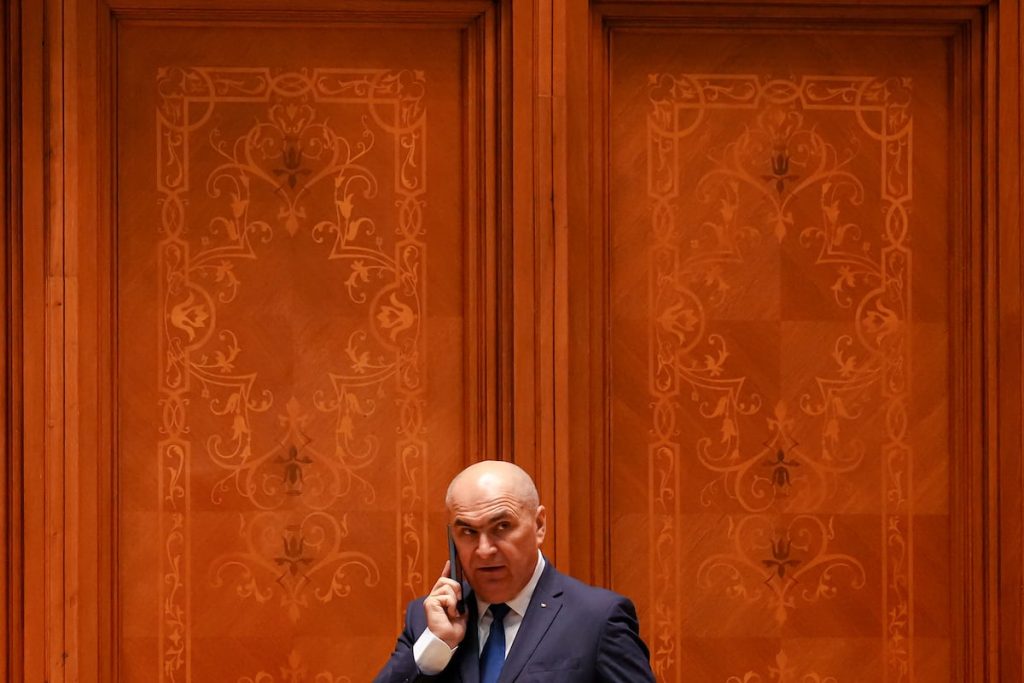
The emergence of an unprecedented alliance between ideologically opposed parties has destabilized the traditional configuration of power that has dominated recent legislative cycles in Colombia. For decades, bipartisanship was maintained through alternating coalitions that ensured institutional continuity, but this rupture reflects the maturation of a pluralistic matrix in which emerging political forces demand a voice beyond the historic hegemons. From a geopolitical perspective, this development signals a reconfiguration of domestic decision‑making processes, potentially recalibrating the balance between the Executive and legislative branches in a context of heightened fragmentation. The ramifications extend beyond national boundaries, influencing the perception of political stability in the Andean region, a factor that foreign investors and multilateral organizations monitor closely when assessing sovereign risk and policy continuity.
The abrupt departure of a conservative premier, whose tenure was marked by a strict fiscal orthodoxy and a cautious stance toward external financial flows, introduces volatility into macroeconomic forecasts that have been calibrated under the assumption of policy continuity. Analysts anticipate a shift toward more expansive fiscal parameters, potentially increasing public expenditure to meet social demands while confronting inflationary pressures that are already heightened by global energy price fluctuations. This juncture could affect the country risk premium, prompting ratings agencies to reassess sovereign outlooks and prompting capital flows to reallocate resources across emerging markets. Moreover, the alteration of fiscal expectations will reverberate through the regional financial architecture, influencing neighboring economies that are coupled through trade agreements and shared monetary frameworks such as the Andean Community.
The geopolitical repercussions of this leadership change are amplified by Colombia’s strategic position as a gateway to the Pacific and its role within multilateral platforms that shape development agendas across South America. A new executive may recalibrate diplomatic priorities, seeking to reinforce ties with alternative power blocs, while simultaneously renegotiating the terms of engagement with traditional allies. This strategic pivot could affect regional cooperation mechanisms, possibly altering the dynamics of security pacts and trade negotiations that have historically fostered integration against external pressures. Consequently, neighboring nations will likely monitor Colombia’s policy choices closely, adjusting their own diplomatic postures in response to what is perceived as a shift in the balance of influence within the Latin American theater.
About The Author