






Manizales Suspends Professional Football for August Following Destructive Earthquake
 TMadmin
Historic Seismic Event Strikes Manizales
On July 30, 2026, the city of Manizales experienced a magnitude 6.2 earthquake that rattled the Andean region. The tremor, which lasted several seconds and was followed by aftershocks, caused widespread damage to buildings, roads, and critical infrastructure. According to the Colombian Geological Survey, the epicenter was located just outside the city limits, but the impact was felt across the entire metropolitan area.
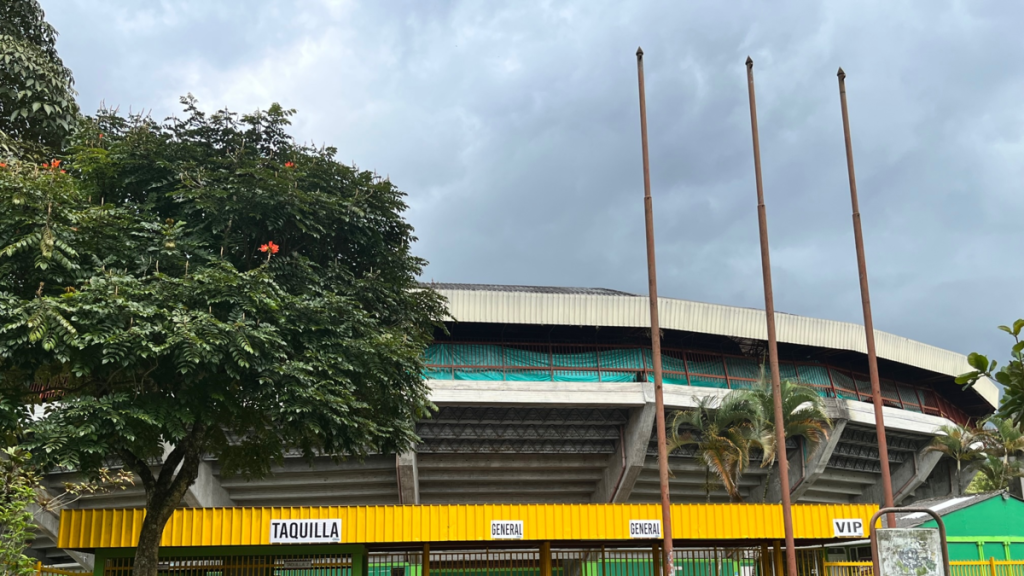
The earthquake destroyed key public facilities, most notably the Estadio Palogrande, the primary venue for professional football matches in the region. Structural assessments revealed cracks in the stadium’s main stands, compromised drainage systems, and extensive cracks in the surrounding playing field, rendering the facility unsafe for large gatherings. In addition, several residential structures suffered partial collapses, prompting an emergency response operation that continues to this day.
Mayoral Decision to Halt Football Activities
In the wake of the disaster, the Office of the Mayor of Manizales issued an official decree on August 1, 2026, suspending all professional football matches scheduled for the month of August. The decision, announced by Mayor Beatriz Acero, cited public safety concerns and the need to protect both spectators and athletes while the city’s sports venues undergo rigorous inspections and repairs.
“The safety of our citizens is our top priority,” said Mayor Acero during a press conference. “While we mourn the damage to our beloved stadiums, we must ensure that no further risk is imposed on the community. This suspension allows engineers, construction teams, and local authorities to evaluate and restore the necessary infrastructure before any sporting events resume.”
Impact on Clubs and the Dimayor
The suspension directly affects the city’s lone professional club, Once Caldas, which normally hosts its home matches at Estadio Palogrande. The Colombian Professional Football Division (Dimayor) has been notified and has adjusted the league schedule accordingly, moving Once Caldas’ matches to neutral venues in other departments. This reshuffling has created logistical challenges for the club, its fans, and opposing teams, as travel logistics and accommodation arrangements have been altered on short notice.
“We understand the disappointment of our supporters, but the safety of our players and fans cannot be compromised,” commented Once Caldas’ president, Carlos Andrés Gómez. “We are cooperating fully with the municipal authorities and are prepared to return to Palogrande as soon as the facility meets all safety standards.”
Future Outlook and Recovery Timeline
City officials have pledged to expedite the reconstruction of Estadio Palogrande, allocating a budget of COP 12 billion for emergency repairs and subsequent reinforcement works. Engineering firms have been contracted to conduct thorough structural analyses, and provisional safety measures, including temporary fencing and crowd control systems, are being implemented at other local fields to host community sports activities during the suspension.
While the exact date for the resumption of professional football remains uncertain, preliminary estimates suggest that matches could resume in late September or early October, provided that inspections are favorable and repair work is completed on schedule. Meanwhile, the municipal government is coordinating with the Ministry of Sports and the national football federation to develop a comprehensive risk management plan that will guide future decisions regarding large‑scale sporting events.
The earthquake has also reignited discussions about the resilience of sports infrastructure in seismic zones across Colombia. Experts argue that stricter building codes and regular seismic retrofitting of stadiums are essential to minimize future disruptions. For now, Manizales stands as a testament to the city’s commitment to safety, even at the cost of postponing cherished sporting traditions.
About The Author