





Luis Díaz Honors James Rodríguez Following Colombia Star’s International Retirement
 TMadmin
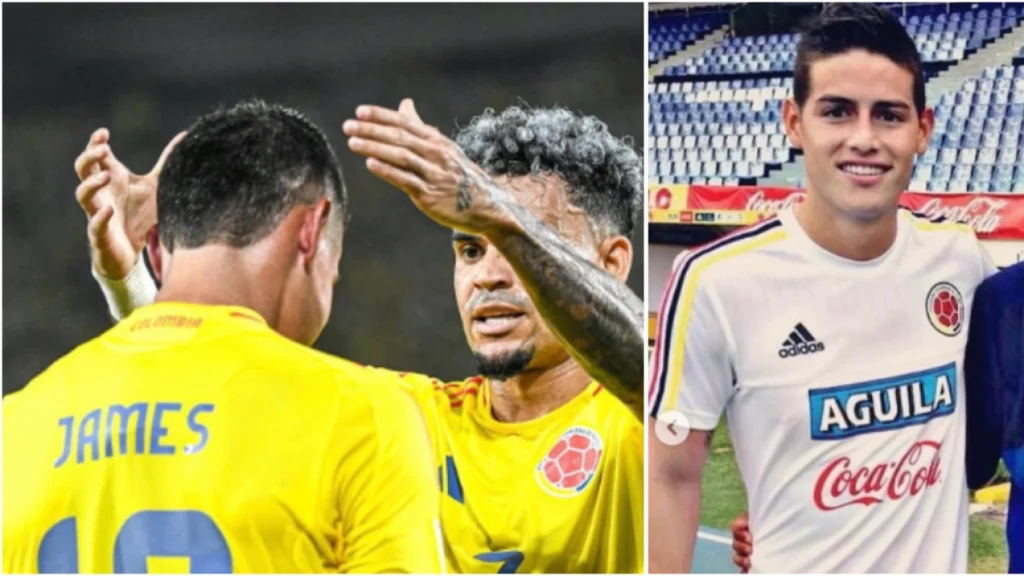
James Rodríguez Announces Retirement from Colombia National Team
On 15 September 2026, James Rodríguez, the revered Colombian midfielder, formally announced his retirement from the national team. The announcement, delivered through a public statement, marked the end of a distinguished international career that spanned more than a decade and included participation in three FIFA World Cups and two Copa América tournaments. Rodríguez cited lingering injuries and a desire to preserve his legacy as key factors in the decision, emphasizing his wish to allow younger talents to flourish without the shadow of his longstanding presence.
Rodríguez’s career with Colombia is characterized by prolific scoring and playmaking, with over 20 goals in international competition. Notable performances include a memorable solo strike against Uruguay in the 2014 World Cup and a crucial assist in the 2021 Copa América semi‑final victory over Argentina. His departure leaves a void not only in the squad’s tactical flexibility but also in the symbolic leadership he provided to aspiring players across the nation.
Luis Díaz Pays Tribute to His Teammate
In response to Rodríguez’s retirement, Luis Díaz issued a heartfelt statement on his social media platforms, recalling the bonds forged on and off the pitch. Díaz expressed gratitude for the opportunities to share the pitch with his fellow winger, saying he feels “deeply fortunate to have shared the field with you.” The Colombian forward highlighted specific moments—most notably a joint training session in 2022 and a decisive match in the 2023 qualifying campaign—where Rodríguez’s vision and technical brilliance directly influenced Díaz’s own development.
Díaz’s tribute underscored the mutual respect between the two players, noting that Rodríguez’s retirement was not only a personal loss but also a strategic challenge for the national team. He called for unity among current and upcoming players, urging them to uphold the standards of excellence that Rodríguez had set throughout his career.
Historical Context of the Colombian Midfield
The Colombian midfield has historically been anchored by creative maestros who can transition swiftly from defensive duties to attacking thrust. The era of James Rodríguez follows seminal figures such as Carlos Valderrama and precedes the rise of emerging talents like Mateus Uribe and Juan Fernando Quintero. Rodríguez’s ability to dictate tempo, unlock defenses with his signature dribble, and produce decisive goals made him a cornerstone of Colombia’s attacking identity, especially during the formative years under manager José Pékerman.
Under Pékerman’s tenure, Colombia qualified for the 2014 World Cup, where Rodríguez’s goal against Uruguay secured a crucial point in the group stage. The 2016 Copa América, hosted by the United States, saw Rodríguez lead the midfield as Colombia captured its first continental title since 2001, cementing his status as a national hero.
Impact on Colombian Football
Rodríguez’s retirement has sparked widespread discussion among analysts and fans alike. While acknowledging the loss, many pundits view the development of a new generation as a catalyst for future success. The Colombian Football Federation (FCF) has already announced plans to organize a series of youth development clinics in regions historically known for producing football talent, aiming to replicate the foundation that Rodríguez and Díaz helped build.
Domestic clubs have also responded, with Liga Porter’s leading teams expressing interest in recruiting players who embody the technical skill and tactical intelligence associated with Rodríguez’s style. In addition, the national team’s upcoming World Cup qualifiers—scheduled for 2027—will serve as a testing ground for fresh talent, with interim coach Antonio Cervantes emphasizing the need to blend experience with innovation.
Future Outlook for Both Players
For James Rodríguez, retirement from the national side does not necessarily signal the end of his club career. Reports suggest he remains in negotiations with several top European leagues, where his experience could be invaluable as a mentor and strategic playmaker. Meanwhile, Luis Díaz, who has become a pivotal figure for both club and country, will assume increased leadership responsibilities. His performance in upcoming friendlies and qualifiers will be closely watched, as fans and analysts alike anticipate how he will fill the void left by Rodríguez’s departure.
The broader football community expects this transition to catalyze a period of renewal for Colombian football, with the potential for new stars to emerge and the national team to maintain its competitive edge on the global stage.
Conclusion
The retirement of James Rodríguez marks the close of an era defined by creativity, resilience, and national pride. Luis Díaz’s respectful farewell reflects the deep camaraderie that exists within Colombia’s footballing community, while also highlighting the inevitable cycles of change that shape sport at all levels. As the nation looks ahead, the focus remains on nurturing fresh talent, preserving the legacy of recent legends, and sustaining the momentum that has propelled Colombian football onto the world’s biggest stages.
About The Author