






Los rostros de las víctimas de la peor masacre en los últimos tiempos del país: 21 personas asesinadas en la vía Panamericana por un explosivo
 TMadmin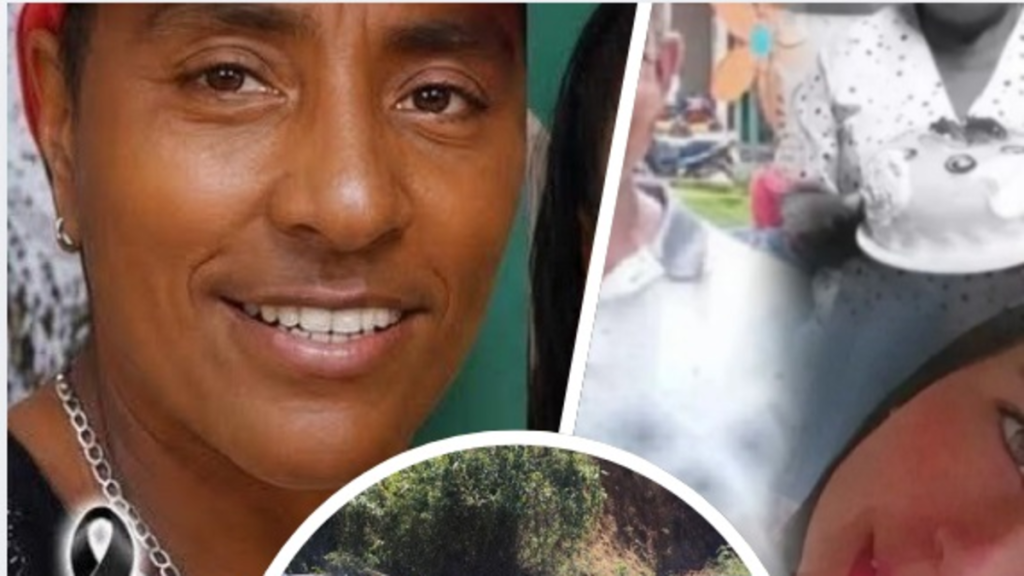
The massacre of 21 civilians on the Panamericana highway by FARC dissident groups on April 25 is not an isolated act of violence, but a structural symptom of the Colombian state’s decades-long failure to consolidate a permanent, rights-respecting presence in rural peripheries where 60% of the national territory is located yet only 18% of the national security budget is allocated. The Panamericana, a strategic corridor connecting the southwestern departments of Nariño and Putumayo to the Ecuadorian border, has become a primary disputed zone between rival armed actors, including FARC dissident factions, the National Liberation Army (ELN), and criminal successor groups, all vying for control of illicit economies that generate an estimated $12 billion annually in illegal revenues from coca cultivation, drug trafficking corridors, and illegal gold mining. The scale of the attack, which targeted civilians traveling along a public highway, reveals the total impunity with which these groups operate in areas where the 2016 peace accord’s territorial implementation programs have been underfunded, delayed, or abandoned entirely, leaving 14 million Colombians living in municipalities with high levels of armed group presence without access to state protection mechanisms that guarantee the right to life, mobility, and freedom from extortion. This event exposes the widening gap between the national government’s narrative of peace consolidation and the daily reality of rural communities, where the state’s security strategy remains overly focused on urban centers and temporary military operations that fail to address the root causes of armed group recruitment and territorial control.
The national government’s response to this massacre will serve as a critical test of its flagship “Total Peace” policy, which prioritizes negotiated settlements with armed groups over sustained military confrontation in regions with high levels of conflict. If the administration fails to provide immediate, targeted humanitarian aid to the 21 victims’ families, accelerate the deployment of the Special Jurisdiction for Peace (JEP) to investigate dissident-linked mass crimes, or strengthen the permanent presence of the Ombudsman’s Office and public defender’s office in the affected municipalities, it risks eroding already fragile trust among rural communities that have been historically excluded from national policy decision-making processes. The attack also highlights the deep fragmentation of FARC dissident groups, which split into at least 14 major factions after the 2016 demobilization process, each with distinct territorial control, financing structures, and stances toward peace negotiations, making the government’s initial goal of a single comprehensive deal with all dissident actors increasingly unfeasible. For Colombia’s long-term security, this event underscores the urgent need to reform the National Police’s rural deployment model, which currently relies on temporary mobile units rather than permanent stations staffed by officers trained in community relations and human rights, a structural gap that allows armed groups to reoccupy cleared territories within days of military withdrawals. The economic fallout is equally severe: the temporary closure of the Panamericana following the massacre disrupted supply chains for agricultural exports worth $2.1 billion annually, disproportionately impacting small-scale farmers, transporters, and informal vendors who lack the resources to absorb such losses.
The mourning of the victims’ families is a stark reminder that the human cost of state neglect in rural areas is disproportionately borne by the most vulnerable sectors of society, who have limited access to political platforms to demand accountability for state failures. In the medium term, this massacre is likely to trigger a new wave of internal displacement in the bordering municipalities of Nariño and Putumayo, where an estimated 42,000 people have already been forcibly displaced by armed conflict in the first four months of 2024, straining already overstretched social services in secondary urban centers and exacerbating poverty rates that are 2.3 times higher in rural Colombia than in urban areas. Politically, the event will fuel bipartisan criticism: opposition parties will argue that the “Total Peace” policy is too lenient on armed groups that continue to target civilians, while social movements will pressure the government to accelerate implementation of the 2016 accord’s rural reform chapter, which has only seen 11% of its planned land titling, agricultural credit, and infrastructure programs executed to date. The international community’s response will also be decisive: the Inter-American Commission on Human Rights has documented an 18% increase in targeted killings of social leaders and human rights defenders in 2024 compared to the same period in 2023, a trend the Panamericana massacre confirms is accelerating rather than receding. Ultimately, this tragedy forces a national reckoning with the reality that sustainable peace cannot be achieved through negotiations alone, but requires a long-term, cross-administration commitment to building state institutions that deliver basic services, protect civilians, and dismantle the illicit economic structures that fund armed groups, a task that has eluded successive Colombian governments for decades.
About The Author