







La ultraderecha crece con fuerza y el laborismo se desploma, según los primeros resultados de las municipales en Inglaterra
 TMadmin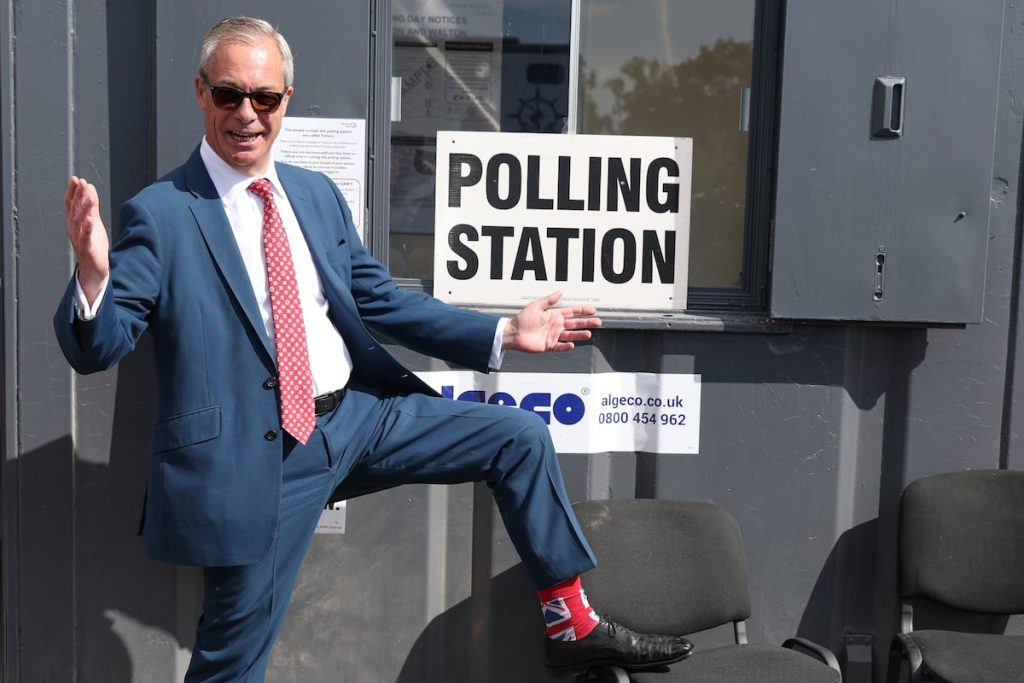
The initial count results indicating a sharp collapse of the Labour Party led by Prime Minister Keir Starmer mark a sudden rupture in the British political cycle barely a year after the party secured a historic landslide victory in the July 2024 general election, ending fourteen consecutive years of Conservative governance. This electoral slump, evidenced by early tallies from recent subnational contests and parliamentary by-elections, reflects deep-seated discontent with the government’s fiscal austerity measures, its slow progress on public service reform, and its perceived failure to address rising living costs for working-class voters who formed the core of Labour’s 2024 coalition. Historically, this volatility is rooted in the post-Brexit fragmentation of the British electorate, where traditional party loyalties have eroded amid the rise of populist challengers such as Reform UK, which has siphoned support from both Labour and Conservative strongholds by capitalizing on anti-establishment sentiment and hardline stances on migration. For global geopolitics, sustained instability in the UK executive branch weakens London’s capacity to act as a cohesive actor within NATO, its ongoing negotiations for post-Brexit trade alignment with the European Union, and its diplomatic outreach to emerging powers, including those in Latin America, where the UK has sought to expand bilateral ties with resource-rich nations such as Colombia to diversify supply chains outside of traditional blocs.
The potential unraveling of Keir Starmer’s premiership carries direct implications for Latin American states, particularly Colombia, where the UK has operated as a strategic partner outside of traditional US-dominated hemispheric blocs since the signing of the post-Brexit UK-Colombia Trade Continuity Agreement in 2021. London has been a consistent contributor to Colombian counter-narcotics initiatives, providing technical assistance and intelligence sharing to disrupt transnational drug trafficking networks that threaten both countries’ security, while also supporting Bogotá’s climate agenda through funding for Amazon rainforest conservation projects tied to global carbon market mechanisms. A weakened British executive, or a potential change in government to a Conservative or Reform UK-led administration, could freeze these bilateral cooperation frameworks, as domestic political priorities in London often override long-term diplomatic commitments to the Global South amid electoral cycles. This volatility also reflects a broader global pattern of incumbent party decline amid persistent inflation and eroded public trust in established political institutions, a trend that has already destabilized governments across Latin America, from Chile to Brazil, creating a shared context of political fragility that transcends traditional North-South divides and complicates regional efforts to assert collective sovereignty in negotiations with major economic blocs such as the EU and the US.
Beyond bilateral UK-Colombia ties, the crisis facing Starmer’s government underscores the broader erosion of stable middle-power governance in the Euro-Atlantic core, a development that complicates the emergence of a multipolar global order where smaller states can leverage competition between major blocs to advance their own sovereign interests. Historically, the UK’s post-1945 trajectory has been defined by its gradual retreat from direct colonial hegemony and its repositioning as a bridge between the US and the EU, a role that has allowed it to maintain outsize diplomatic influence in regions such as Latin America, where it has mediated in territorial disputes such as the ongoing Guyana-Venezuela border controversy due to its historical constitutional ties to Georgetown. If British political instability persists, London will be less able to act as an independent mediator in these regional conflicts, leaving Latin American states to navigate great power competition between the US, China, and the EU without the buffering role of smaller European partners. For Colombia specifically, this could mean reduced leverage in negotiations over counternarcotics funding, trade access to European markets, and climate finance, forcing Bogotá to accelerate its pivot toward alternative blocs such as the Pacific Alliance or BRICS+ mechanisms to safeguard its economic and political sovereignty amid shifting global power dynamics.
About The Author