






 TMadmin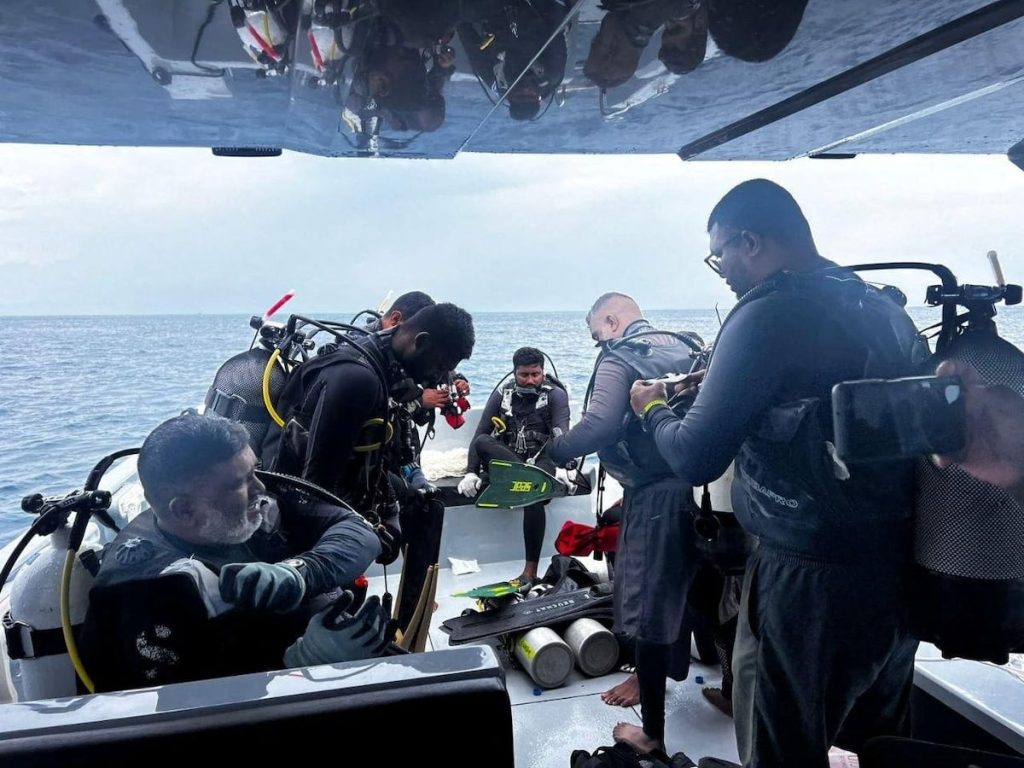
Therecent tragedy involving professional divers who perished during a submerged expedition in the Indian Ocean, along with a member of the Maldivian rescue team, underscores the growing volatility of deep‑sea operations in strategically vital waters. Historically, the Indian Ocean has served as a maritime corridor linking major shipping lanes from the Middle East to Southeast Asia, and its depths have become a theater for both scientific research and covert military activities. The incident reflects the intersection of civilian scientific curiosity and the increasingly contested nature of oceanic spaces, where sovereign claims over exclusive economic zones amplify geopolitical tensions. External powers such as China, India, and the United States have amplified their naval presence, seeking to secure supply routes and access to untapped resources, thereby turning what may appear as a routine dive into a flashpoint for broader strategic competition.
The attempted rescue operation that claimed another life illustrates the intricate coordination required among multinational maritime agencies operating in remote oceanic zones. The Maldivian authorities, supported logistically by regional partners such as India’s Indian Navy and assistance from private contractors, deployed specialized divers equipped for deep‑water interventions, yet the inherent risks of low visibility, extreme pressure, and untimely decompression remain formidable obstacles. This episode also highlights the limited capacity of smaller island states to independently manage large‑scale maritime emergencies, prompting reliance on external expertise and equipment that can be politically sensitive. Moreover, the episode feeds into broader narratives concerning the security of under‑sea infrastructure, including submarine cables and prospective seabed mining projects, which are increasingly central to discussions on energy security and economic diversification across the Indian Ocean rim.
For Colombia and the broader Latin American bloc, the incident serves as a reminder that threats to maritime stability in distant oceanic basins can reverberate through regional trade corridors and security architectures. While Colombia’s coastline is Atlantic and Pacific, its commercial interests are tightly linked to global shipping patterns that transit the Indian Ocean via the Suez Canal and Panama routes, making any disruption potentially magnify logistical costs and insurance premiums. Furthermore, the tragedy may intensify diplomatic attention on multilateral mechanisms designed to regulate under‑sea activities, prompting Latin American states to advocate for stricter international conventions that safeguard both environmental integrity and worker safety. Consequently, the episode could catalyze enhanced cooperation among Caribbean and Pacific nations to develop joint emergency response frameworks, thereby reshaping regional geopolitical alignments toward a more collective approach to oceanic governance.
About The Author