






El balance de los equipos colombianos en Libertadores y Sudamericana: Tolima cumplió; Santa Fe y Medellín, premio de consolación; el resto, fracaso
 TMadmin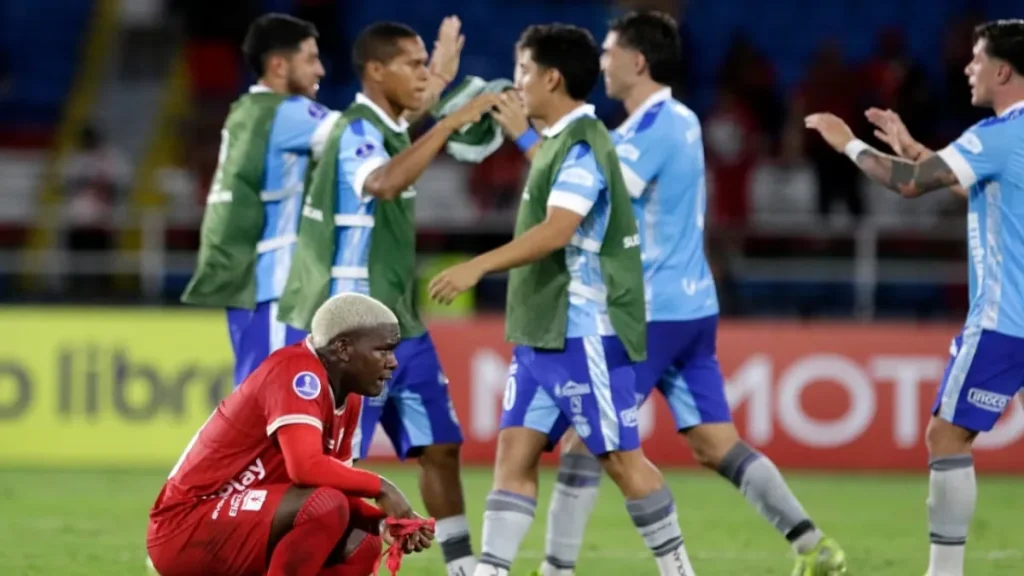
Llaneros FC, representing the Meta region in the Colombian football landscape, demonstrated a tactically disciplined approach during the recent regional qualifying tournament, where only three teams from the FPC would advance to the second semester. Under coach Carlos Ramírez, the team employed a 4-2-3-1 formation, prioritizing midfield control through the partnership of José Martínez and Sebastián García, which allowed for quick transitions from defense to attack. Their high pressing in the first half disrupted opposing build-ups, particularly against Deportes Cali B, forcing turnovers that led to two early goals. The tactical flexibility was evident when they shifted to a 4-4-2 in the second leg against Unión Magdalena, adding a second striker to counter the opponent’s physical presence, showcasing the coach’s adaptability crucial for surviving the grueling schedule ahead.
Llaneros FC’s physical resilience was tested throughout the seven-match qualification campaign, with the condensed schedule forcing frequent rotations and exposure to high-altitude conditions in away games like the one in Tunja. The coaching staff implemented a data-driven recovery protocol, utilizing GPS tracking to monitor load metrics and ensuring players like striker Juan Pablo Sánchez received targeted physiotherapy after minor muscle strains. Despite a 2-1 victory over Patriotas where Sánchez played 85 minutes, the team’s collective endurance showed signs of fatigue in the final 20 minutes of matches, particularly in the 1-0 win against Boyacá Chicó, where late-game defensive lapses allowed the opponent to create chances. This physical toll highlights the necessity of strategic player management to prevent burnout as the second semester approaches.
The advancement of Llaneros FC and two other Meta-based representatives to the second semester competition carries significant implications for the region’s football development, as it provides a platform for nurturing young talent and securing commercial partnerships that could revitalize the department’s sporting infrastructure. However, the narrow margin by which they qualified — finishing third in Group A with 14 points — underscores the competitive parity among FPC teams, where technical errors or a single red card could have ended their campaign. Looking ahead, the team’s performance may influence contract renewals for key players and attract scouts from Categoría Primera A clubs, potentially boosting the local talent pipeline. Ultimately, this qualification validates the Meta region’s growing football ecosystem and sets a precedent for sustained success in national competitions.

About The Author